As temperatures continue to rise across Europe, millions of residents are facing a summer challenge because many homes were never designed to handle extreme heat.
Unlike many countries where air conditioning and ceiling fans are common household features, European homes have traditionally relied on natural ventilation, thick walls, shutters, and cooler construction methods to maintain comfortable indoor temperatures.
However, as heatwaves become more frequent and intense, this traditional approach is being tested. Many residents are now asking a simple question: why do European homes have no fans or cooling systems despite rising temperatures?
The answer is linked to Europe’s history, architecture, energy concerns, and changing climate conditions.
Why Many European Homes Were Built Without Fans or Air Conditioning
For decades, many European countries experienced relatively mild summers compared with regions such as the United States, Middle East, or parts of Asia.
Because extreme heat was considered occasional rather than a regular problem, many homes were built without permanent cooling systems.
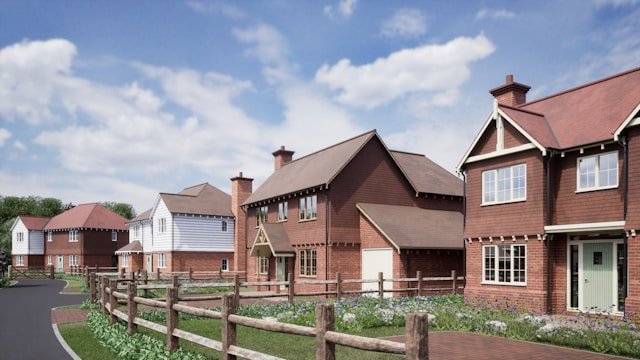
Traditional European architecture often focused on keeping buildings warm during colder months rather than cooling them during summer.
Common features included:
- Thick stone or brick walls
- Smaller windows
- External shutters
- High ceilings
- Natural airflow designs
These features worked effectively when summer temperatures were moderate. However, prolonged heatwaves are creating new challenges.
Climate Change Is Changing Europe’s Cooling Needs
The European summer climate has become increasingly unpredictable, with more frequent periods of unusually high temperatures.
Heatwaves that were once considered rare events are becoming more common, putting pressure on homes, workplaces, transport systems, and public services.
Many buildings that were comfortable in previous decades are now struggling to maintain safe indoor temperatures.
Unlike modern buildings in hotter regions, many European homes lack:
- Built-in air conditioning
- Ceiling fans
- Advanced cooling systems
- Heat-resistant insulation
As a result, residents are searching for alternative ways to manage rising temperatures.
Problems People Are Facing During European Heatwaves
Extreme heat affects more than just comfort. Many residents are experiencing practical and health-related difficulties.
Homes Becoming Uncomfortably Hot
One of the biggest complaints is that indoor temperatures remain high even after sunset.
Many apartments, especially those located in cities, absorb heat during the day and release it slowly at night.
This creates a situation where people struggle to sleep because bedrooms remain warm for several hours.
Increased Health Risks
High temperatures can create serious health concerns, particularly for:
- Elderly people
- Young children
- People with existing health conditions
- Outdoor workers
Heat exhaustion, dehydration, and difficulty sleeping are becoming common concerns during prolonged hot periods.
Older Buildings Face Bigger Challenges
Europe has millions of historic homes and older apartment buildings.
While these properties often have cultural and architectural value, many were not designed for modern heat conditions.
Renovating older buildings with modern cooling solutions can also be expensive and complicated.
Higher Energy Demand
As temperatures rise, more people are purchasing portable air conditioners and fans.
This creates additional pressure on electricity networks, particularly during peak hours when demand increases.
Governments and energy providers are increasingly focusing on ways to improve efficiency while meeting growing cooling needs.
How Europeans Are Keeping Their Homes Cooler
Despite many homes lacking traditional cooling systems, residents have developed various methods to manage hot weather in UK.
Using Fans and Portable Cooling Devices
Portable fans have become one of the simplest and most affordable solutions.
Many households now use:
- Desk fans
- Standing fans
- Portable air coolers
- Small energy-efficient cooling devices
However, demand during heatwaves often leads to shortages in stores as people rush to purchase cooling products.
Keeping Windows and Shutters Closed During the Day
One traditional European method is controlling sunlight rather than only cooling air.
Many residents keep:
- Windows closed during the hottest hours
- Curtains drawn
- External shutters lowered
This prevents direct sunlight from heating indoor spaces.
Night-Time Ventilation
Since outdoor temperatures usually drop after sunset, many people open windows during cooler hours to allow fresh air circulation.
This method helps release heat stored inside walls and furniture.
Creating Cooler Sleeping Areas
Sleep disruption is one of the biggest challenges during heatwaves.
People are using different methods, including:
- Lightweight bedding
- Cooling pillows
- Sleeping in cooler rooms
- Using fans overnight
Some families are changing daily routines to avoid heat exposure during peak hours.
Cities Are Also Adapting to Extreme Heat
The challenge is not limited to individual homes. European cities are redesigning public spaces to deal with rising temperatures.
Many urban areas are investing in:
- More trees and green spaces
- Better shade coverage
- Cooler building materials
- Water management projects
Urban heat islands: where cities become significantly warmer than surrounding rural areas are becoming a major concern.
Concrete roads and buildings absorb heat, making densely populated areas especially uncomfortable.
The Growing Debate Over Air Conditioning in Europe
The increase in heatwaves has created debate about whether more European homes should install air conditioning.
Supporters argue that cooling systems are becoming necessary for health and safety.
However, critics highlight concerns about:
- Higher energy consumption
- Increased emissions
- Environmental impact
Experts suggest that future solutions may require a balance between cooling demand and sustainable building design.
The Future of European Homes in a Warmer Climate
As temperatures continue to change, building design across Europe is expected to evolve.
Future homes may include:
- Better insulation for both summer and winter
- Energy-efficient cooling systems
- Smart ventilation technology
- Heat-resistant materials
- Improved urban planning
The goal is not only to make homes cooler but also to reduce energy consumption and environmental impact.
Final words
The question of why European homes have no fans reflects a much larger issue: Europe’s buildings were designed for a different climate era.
As heatwaves become stronger and more frequent, millions of residents are adapting their daily lives to cope with higher temperatures.
From traditional methods like shutters and natural ventilation to modern solutions such as portable cooling devices, Europeans are finding new ways to stay comfortable.
However, the growing impact of extreme heat suggests that future homes, cities, and infrastructure will need to be redesigned for a warmer world.