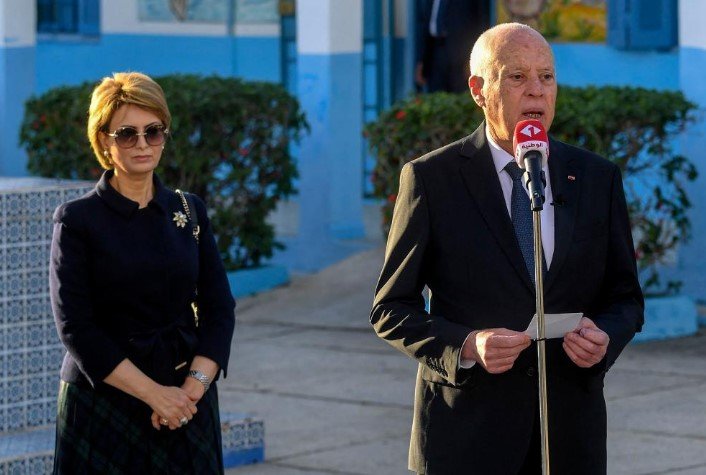
Tunisia’s President Kais Saied is on the brink of securing a landslide victory in the nation’s latest election, further solidifying his hold on power. With a significant lead in early counts, Saied’s potential win marks a turning point for Tunisia’s political landscape, signaling continued support for his controversial reforms.
Contents
- 1 Widespread Support Despite Controversy
- 1.1 Related posts
- 1.2 UK Heatwaves Linked to 2700 Excess Deaths as Scientists Renew Climate Warning
- 1.3 Why European Homes Have No Fans During Heatwaves and How People Are Coping With Rising Temperatures
- 1.4 UK Weather Update: Latest Forecast, Heatwave Risks and What to Expect This Summer
- 1.5 Finland Approves Major Gambling Reform as Licensed Online Market Set to Launch in 2027
- 1.6 Why Gaming Communities Matter as Much as the Games
- 1.7 Freeoners Explained: Meaning, Origins, Uses & Why This Mysterious Keyword Is Trending in 2026
- 1.8 Iran–Israel–US Conflict Timeline: Key Events Behind the 2026 Crisis
- 2 What Saied’s Win Could Mean for Tunisia
- 3 A Defining Moment for Tunisia
Widespread Support Despite Controversy
Kais Saied near-certain victory follows a campaign marked by his push for sweeping constitutional changes, which have been met with both applause and criticism. His supporters view him as a necessary force for reform, praising his efforts to tackle corruption and overhaul Tunisia’s political system. However, opponents have raised concerns over his centralization of power, accusing him of undermining Tunisia’s democratic institutions.
What Saied’s Win Could Mean for Tunisia
If confirmed, Saied’s victory will likely pave the way for further consolidation of power. His administration is expected to continue pursuing reforms that aim to reshape Tunisia’s governance structure, potentially reducing the influence of political parties and enhancing the president’s authority.
A Defining Moment for Tunisia
As Tunisia looks ahead to the post-election period, Kais Saied overwhelming win could signal the beginning of a new era. His next steps will be closely watched, both within Tunisia and by the international community, as the country navigates a delicate balance between reform and the preservation of democratic ideals.
Read more also:- Weakest UK Pay Growth Since February 2021, REC Data Highlights